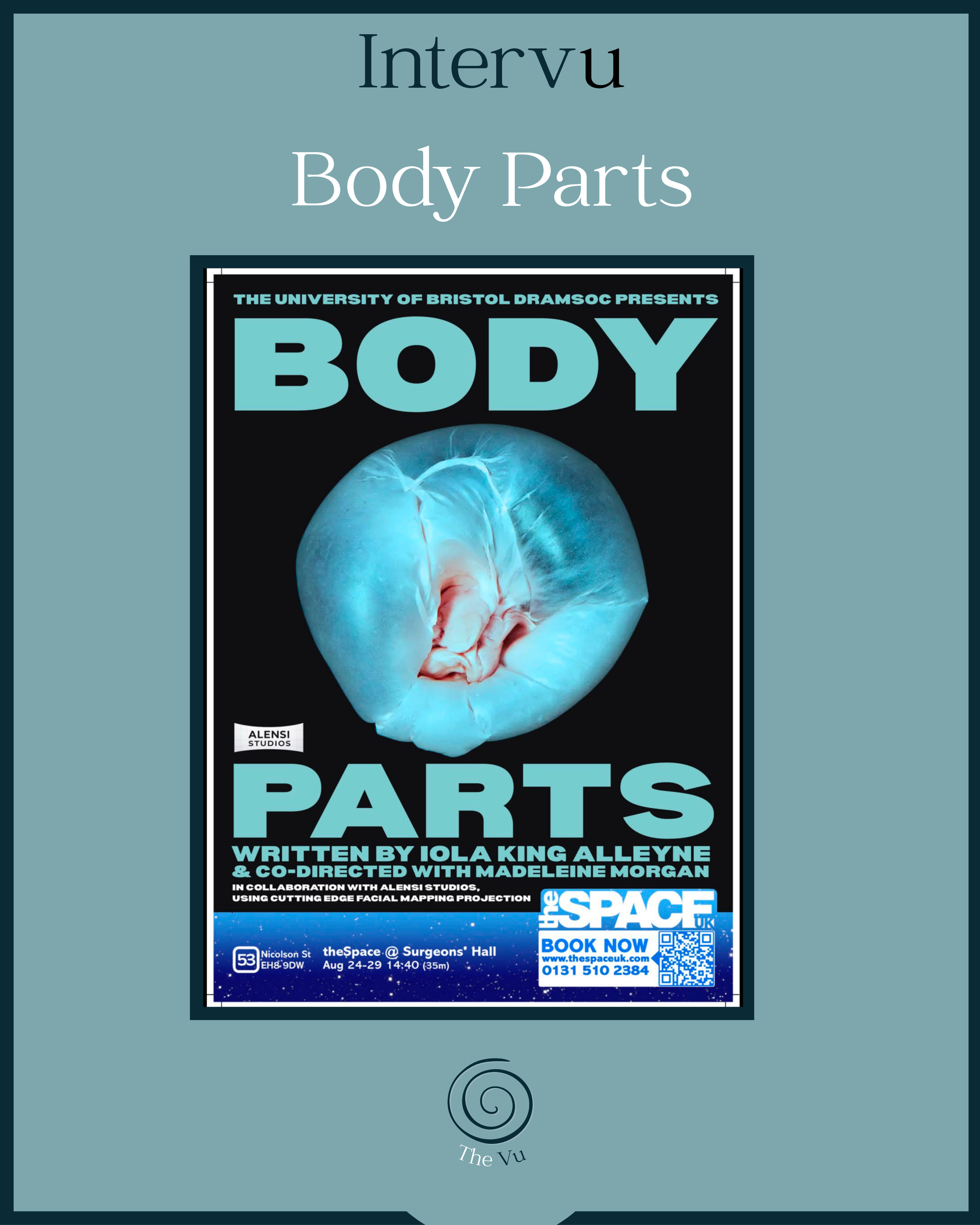
“Body Parts”
I sit down with the some members of the Body Parts team, Iola, Cleo and Lily to talk about their show and their hopes ahead of their run at the Edinburgh Festival Fringe 2026
“People should come and see Body Parts if they’re interested in the human experience and interested in other people experiencing the human experience. A word I really use to describe the play is beautifully honest and human about love, and loss and faith and desire. They say you should create the kind of theatre that you want to see and my favourite kind of theatre to see is theatre that asks why are we here? What is our purpose?
Body Parts is a new show by writer and director Iola King Alleyne. She tells me that it “is my second solo project that I’ve done. My first was quite a short piece as well, about 25 - 30 minutes - about a mother and daughter - and it was called Mold. It was about the housing crisis in London and the issue of renters rights before the rents rights bill came in. I really want to redevelop that play and bring it back because I think it's more relevant than ever.”
I ask her for a run down of what Body Parts is about?
“Body Parts is a play about a mother called May, who has a complicated relationship with her two daughters, Carmel, who’s 32, and Margot, who’s 22. May has kind of reached a precipice in her life when her husband of many, many, many years has passed away and she realises she’s lived a life filled with neglect and quite a lack of love.”
“We find the characters when Carmel has used the inheritance passed down to her to buy a place in rural Scotland and really it just orbits. The play follows May on this journey of self love and self acceptance, Carmel on a similar journey, also coming to terms with aging just like her mother, and the youngest, Margo, having a really poignant religious experience where she feels that she saw God at her Dad’s funeral. And then, Russel enters the play, who is Carmel’s long term on and off boyfriend and he forms a really authentic connection with the mother, May.”
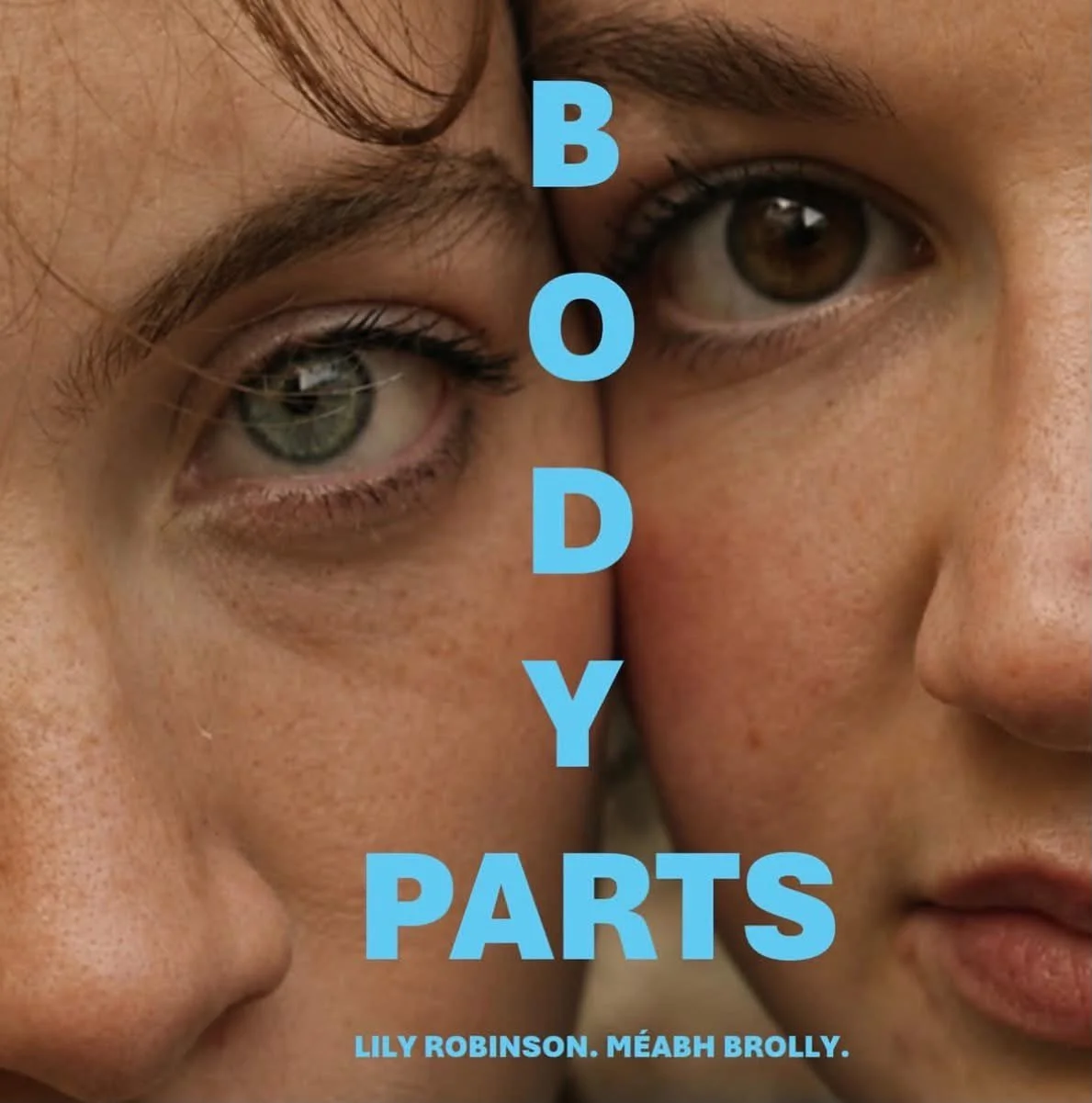
“I play May.” Lily chimes in.
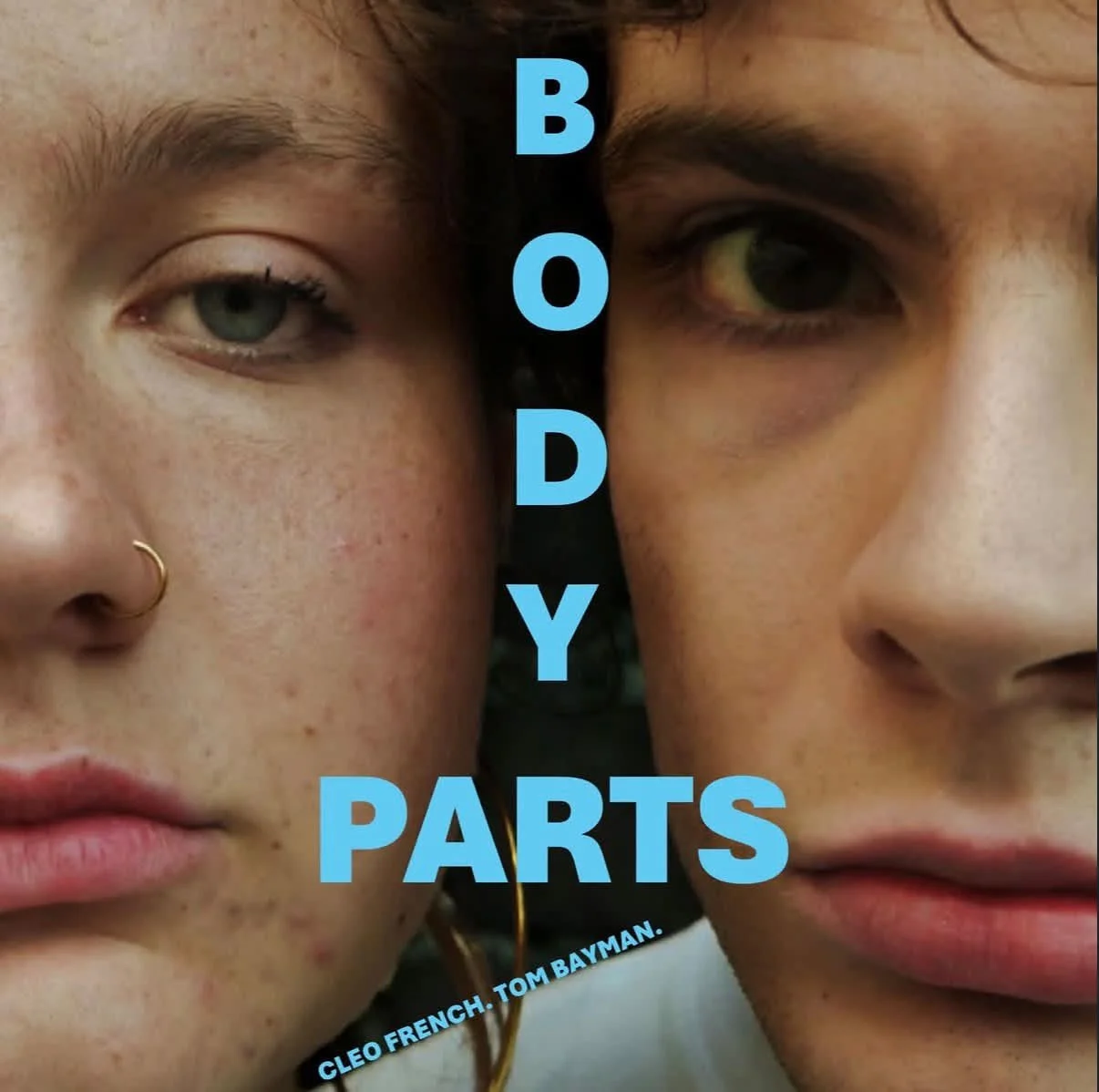
“I’m playing Carmel” Cleo chimes in as well.
Lily starts speaking, “Iola knows all! I would say that’s the linear narrative but what makes this play stand out is its very abstract in the way it approaches the story, with the sound design and the use of facial mapping with projection and some of the writing, there’s a lot of monologues, I’d say it's very nonlinear in its narrative.”
“Body Parts”
I ask Iola about her process behind the play?
“I have lived with these characters for a very long time. I’m interested in mothers and daughters - I think its just one of the most interesting relationships. I read loads of fiction about mothers and daughters. I consume a lot of tv shows and scripts about mothers and daughters. I don’t have sisters, I don’t have any siblings, so I was really interested in what would it mean if you had a sibling ten years older and how does that affect your relationship with your mum.”
“I knew I wanted to start but in terms of coming into the process of coming into the play…really I rewrote it around the actors and their own experiences with whatever they were comfortable with sharing. I feel, from my perspective, that they self informed their characters and that they had a major impact on the way that I decided to form connections. For example, conversations about what intimacy means to all of us informed the way that intimacy is represented. Intimacy doesn't need be sex and it doesn’t need to be a kiss. It doesn’t even really need to be hug. We came through talking about this that intimacy can be dance and it can be a feeling of freedom. A feeling of freedom with another person can be the most intimate experience. Therefore the intimacy depicted in the play is a dance. I don’t even know if the cast know how much of an impact they had on what I wrote around them. In the casting process, in the audition and the recall, it was really important to cast people felt already like they had a stake in the play and really had ownership, as a director that’s really important to me.”
There’s been too many years, theatre has been too dominated by directors really leading a room, especially in stories about women. I find that the most authentic stories about women come from the women that the cast know and the women that the directors know and trying to channel them in the room in the most soft way and letting them lead the vision rather than, “this is the story I want to tell” leading the vision. I rambled there.”
Cleo jumps in to explain more about the process, “The processes we did, enabled us not only to build the characters but also allowed an understanding that I’ve personally never felt before. We went all the way back to when they were born and we built this individual timeline and then a group timeline and I think that was my favourite part. Iola ran this exercise and it was split into crucial age brackets and then all of that was put in a group timeline and then you really understood the different relationships because of how they interacted with one person at one time. That was my favourite part of the process.”
I ask them all about how Body Parts compares to their previous work?
Lily tells me that, “This is all part of Bristol’s drama society and I’ve been up to Fringe with one show with them before but amongst that I’ve been up four times performing, this is my fifth time performing and I would say that I think that Body Parts is so much more intimate and experimental, its got this intimacy whilst also exploring these massive themes that are kind of very existential but it so delicate and so nuanced in its approach. It’s highly ambitious. I think it's probably one of the most ambitious shows that I’ve been a part of. Just in the way that there’s actors playing older than they are, the technology side of it, the writing, it’s really hard themes and its all..yeah..I just think its brilliant.”
Iola tells me more about Mold, “it was about a mum that sees mold on the wall and the letting agents are telling her there’s no mold, there’s nothing there but she really believes its there and her daughter can’t see it. It’s the struggle for them between psychosis and reality but also what do you do when you’re so desperate? I think doing that, creating that plain, also having it put on and having an audience reaction was the first time I really felt validated in terms of I think I have something to say and I think I can have a story to share and its an addictive feeling, an audience receiving what you’ve created and going “Wow! That really impacted me.”
She goes on, bringing the conversation back to Body Parts, “So for this to be going to Fringe and be with the public is terrifying as a young playwright and creative, its really scary but its also very exciting because I’m so new to this feeling that I have so many questions, I can’t predict at all what its like. I’ve never been to Fringe before and neither has Cleo so we’ve got a really mixed team, and our producer and co-director Maddie Morgan has been like six times or something! So its a mixed team and it feels really really vulnerable to take this play up but really exciting and I feel really supported by this cast and this team, and I think its such a superpower that half of us have been to fringe and half of us haven’t because there’s excitement and experience hand in hand which makes a really good freshness and vigour.”
Cleo jumps in,“Yeah I agree. It’s sort of exciting as its exactly the kind of thing I want to be in as an actor but also as someone who loves writing, and I’ve always said this about this script, I think there’s such a lovely link about how this script looks and the way its performed. It’s very different to anything I’ve done and its exciting and new!”
“Body Parts”
I ask the team why people should come and see Body Parts?
“People should come and see “Body parts” if they’re interested in the human experience and interested in other people experiencing the human experience. A word I really use to describe the play is beautifully honest and human about love, and loss and faith and desire. They say you should create the kind of theatre that you want to see and my favourite kind of theatre to see is theatre that asks why are we here? What is our purpose? That’s the magic of theatre, its fresh every single night, its live and it can’t be recreated. Why are we here? We’re here together in this room to experience this 45 minutes of magic and no one knows what’s going to happen. We are here because we are all on this journey and this quest to ask what makes me human and what is the human experience. And that’s makes us love theatre. Its people interested in other people.”
“Now also! I go to the technology! There’s been so much of a conversation around the ethical use of technology in theatre. People say that whenever technology is used in theatre it takes over the whole show. That’s what people said about Cynthia Erivo’s Dracula and Sarah Sink’s Picture of Dorian Grey. When technology is involved it often becomes the focal point and we’ve got so many conversations right now about using AI and is it okay? And should people be so pissing on technology? What I really wanted to propose to the public was a way of using technology that completely and only serves the story and does not at all take the focal point and take over. The facial mapping projection was developed by someone called Leo Lawton at our university, again we’re platforming more young creatives and showing what the future generation of theatre is capable of. Basically he aged up Lily to show an accurate depiction of what she’ll look like throughout her life. We’re very sensitive to the fact that we have a younger actress playing an older woman and we didn’t want to make her a caricature at all. So Lily plays May as herself but we see what she looks like through the projection behind her which is triggered by some of the most intimate and touching moments for the story. I won’t fully spoilt it but in monologues where she comes to terms with herself and aging or in moments of connection, we see this projection not taking over but assisting Lily’s acting and even her movement is in response to seeing herself and projection and honestly I think it boundaries on performance art rather than something that’s completely taken over by theatrical narrative plus technology. It really serves emotion as well and I think the conversation of technology is really divorced from emotion because they live against each other. Technological plays never get this reputation about carrying emotion but it really can!”
I ask Iola, Lily and Cleo if there’s anything they are excited to see?
Lily jumps in:“I’ve got a list of things I’m going to book for Fringe but nothing on the top of my head right now! I know that Bliss the Musical is meant to be good, I know that Gary Starr is meant to be coming back, I saw him last year, he was brilliant. That’s what I can think of right now until I consult my list!”
Iola goes next,“I’m really excited for Cleansed to come to the Almeida next week. I have booked tickets for opening night. I am insanely excited. I have literally been waking up squealing. I just think that Sarah Kane’s plays are incredible and so exciting and inspiring for ambitious work!”
“Another one is Trainspotting the Musical. I’ve read the book, I’ve watched the movie a million times, and I am fascinated by the concept that they’re turning a play about heroin addicts into a musical. I have no idea what to expect! It feels weird and wrong to turn something like Trainspotting into a musical but again that’s pushing on what we think a musical can be!”
Cleo adds, “My sister is much older than me and used to go with a lot of sketch comedy stuff when she was at uni so I’m really excited to see people our age doing some sill sketch comedy!”
Lily jumps back in:“I might also say I’m very excited for all the SNL UK solo shows at Fringe!”
The three of them all nod in agreement at that.
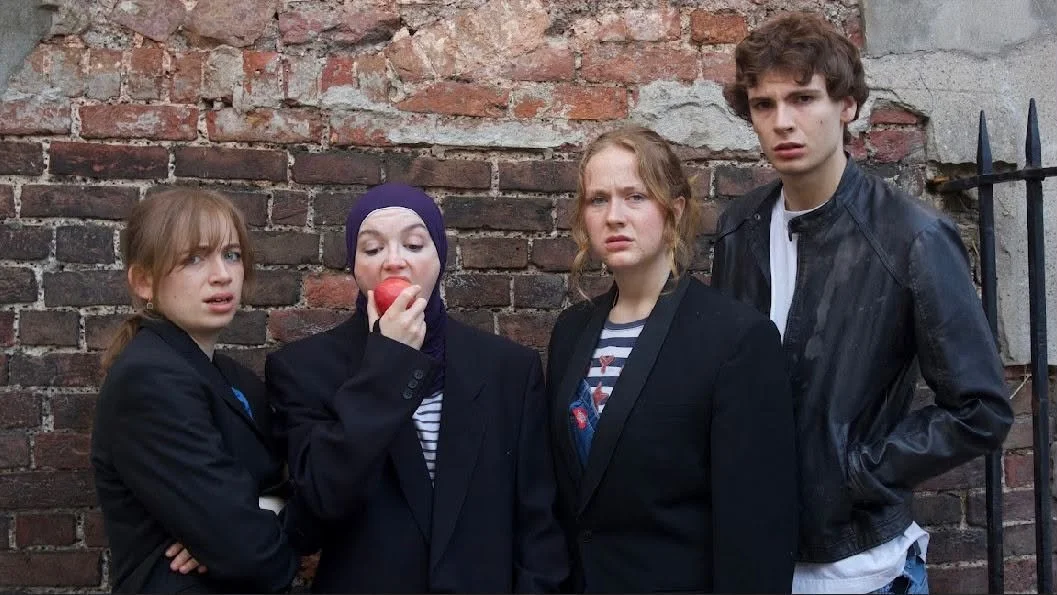
“Body Parts”
I ask them if they have any advice for any emerging creatives?
“Be brave. Don’t be afraid to ask for help as well. I think there’s a massive financial barrier to fringe - its ridiculous, the cost! And we’re so lucky that Dramasoc have the means to pay for it and us. We ended up getting accommodation and the venue paid for but I can’t imagine doing it without that. And applying for grants, and not getting them - I mean Keep it Fringe has gone! It’s scary! It’s a really scary time to be trying to launch a creative career at the moment and even all the bravery cannot take away the real, real financial barriers that the theatrical industry is facing and has also always experienced but there could be more grants!” Iola says.
Cleo add to that,“I’m the youngest person in the cast and there’s so much to learn from everyone! It’s a really short answer but that’s it! There’s so much to learn.”
Lily thinks for a moment before saying, “I’d say kind of foster the relationships that you think will be beneficial. Keep the people you find inspiring close to you. I always find that motivating if I think a show or an idea isn’t worth anyone’s time, I always float it to the people that I think are very ambitious or very motivated.”
I ask them all what’s next?
Iola excitedly tells me that,“We’d love to do a London preview maybe after! Maybe a post-view then! We’d love to do that depending on people’s schedules. Like I was saying, financial accessibility is really important to me. I just did a year of being president of Dramasoc and something I really pushed for was lower ticket prices and making as many things free as possible so I know there’s lots of people who can’t afford to come to fringe to see the show and there’s lot of people who’ve expressed interest in the show. So trying to take it to London and have as affordable tickets as we can is really important to me personally. Also hopefully developing more plays. I’m taking a year out and just working and hopefully writing!”
“I’m going into second year and I’m looking forward to working with friends and making fun things and going out fo my comfort zone. Now is the time, we have so many resources. I’m excited for the rest of uni!” Cleo says.
Lily beams and says, “I am going to the Royal Conservatoire of Scotland in September to do MFA Acting. So that’s what I’m up to. Hopefully I can fit a London preview somewhere in between that!”
The link to support Body Parts via their crowdfunder can be found here: https://crowdfund.edfringe.com/p/body-parts-crowdfunder?utm_source=ig&utm_medium=social&utm_content=link_in_bio&fbclid=PAdGRleATIhnhwZG9mAmV4dG4DYWVtAjExAHNydGMGYXBwX2lkDzEyNDAyNDU3NDI4NzQxNAABpxv8lv6pcZYlIQcNtMk_mBSeTYkxfAaYy5loNqvQMv0Ghmx2hWKSJFRDVJUM_aem_DYJRGSoD3f5hslEndL8czg
Tickets for Body Parts for the Edinburgh Festival Fringe can be found here: https://www.edfringe.com/tickets/whats-on/body-parts
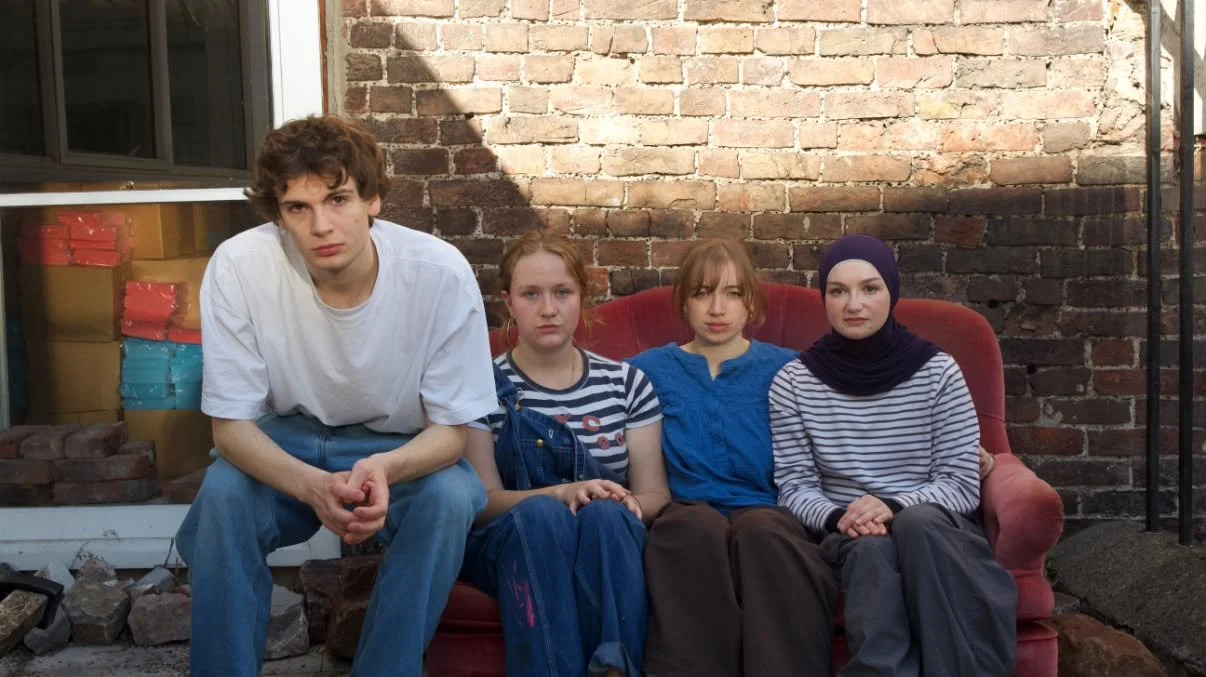
“Body Parts”
By Ethan McLucas